


The EASIEST Merge Tactics Strategy: 2-2-2 Comp Breakdown
Master the simplest Merge Tactics strategy: build a flexible 2-2-2 comp using Clan, Undead, Forest, and Noble traits to dominate the board.
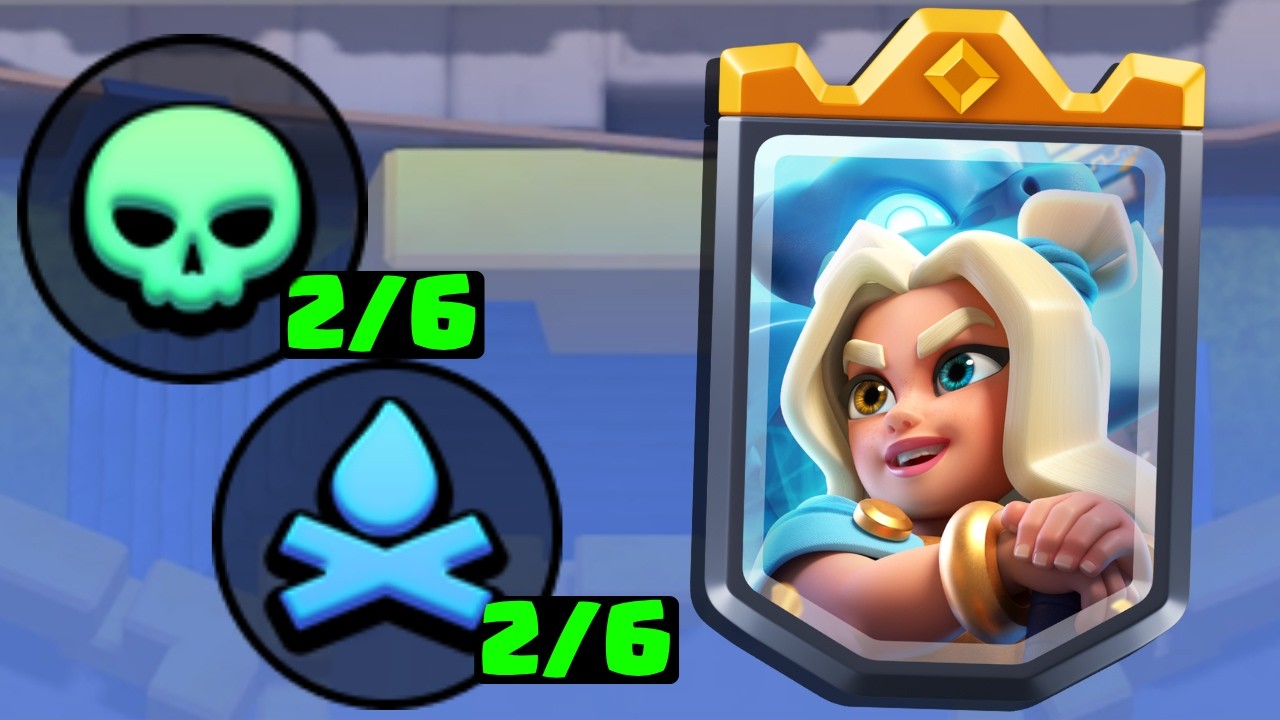
Credit: ReTaik
2-2-2 Comp Strategy Guide
The easiest path to over 1,200 trophies in Merge Tactics lies in abandoning rigid four-out-of-six trait combos in favor of a flexible 2-2-2 composition. This strategy focuses on building two strong troops per trait from the top four categories: Clan, Undead, Forest, and Noble. By prioritizing adaptable core units over forced synergies, you unlock consistent wins and easier three-star upgrades.
Based on ReTaik's viral video, this guide breaks down how to execute the 2-2-2 strategy, identify the best units for each trait, balance your board's frontline and backline, and adapt mid-game to counter opponents. You'll learn why two strong two-trait groups outperform rigid four-trait setups and how to maximize Elixir efficiency.
How the 2-2-2 Strategy Works
The core idea is simple: instead of forcing a four-out-of-six trait activation, build three groups of two strong troops from different traits. ReTaik emphasizes that this approach is more flexible and easier to execute than chasing complex four-trait combos. Each group of two provides a reliable Trait bonus at the 2-trait breakpoint, creating a balanced comp that adapts to any board state.
 Clan: Focus on
 Archer Queen and
 Wizard for magic damage and utility
 Undead: Prioritize
 Giant Skeleton and
 Witch for board control and AoE damage
 Forest: Lock in
 Boss Bandit and
 Executioner for burst damage and range
 Noble: Use
 Princess and
 Golden Knight for splash damage and sustain
Pro tip: ReTaik found that running two two-trait groups feels counterintuitive at first, but it outperforms forcing a single four-trait combo because troops matter more than raw trait counts.
Best Units for Each Trait
ReTaik's testing shows that certain units excel in the 2-2-2 framework. These core units provide consistent value, easy three-star upgrades, and synergy with the strategy's flexible playstyle.
- Giant Skeleton: A tanky Undead unit with high health and a powerful death blast that clears enemy boards
- Witch: Spawns skeletons to tank and distract while dealing magic damage from range
- Archer Queen: A Clan carry with high damage output and synergy with other magic units like Wizard
- Boss Bandit: A Forest
 Assassin with dash mechanics that can bypass frontlines and eliminate key targets
 Valkyrie: A versatile Noble tank that can replace weaker frontliners when needed
- Executioner: A Forest
 Marksman who excels against clustered enemies and complements ranged comps
Building Your 2-2-2 Comp
Start by scouting the board early to identify unclaimed traits and build around them. ReTaik recommends locking in two strong units from each trait as soon as they appear in the shop, prioritizing three-star potential over immediate power. This creates a foundation that scales through all game phases.
Early Game (Rounds 1-6)
- Focus on acquiring two copies of core units from Clan, Undead, Forest, or Noble
- Use Elixir efficiently by cycling weak units to fund key upgrades
- Avoid overcommitting to a single trait:prioritize flexibility over early dominance
Mid Game (Rounds 7-12)
- Upgrade your core units to three-stars using bench copies
- Add utility units like Valkyrie or Executioner to balance frontline/backline
- Block opponents' key units by purchasing their core cards early
Late Game (Rounds 13+)
- Refine your board with high-impact three-star units
- Use Giant Skeleton's death blast strategically to reset enemy formations
- Position Boss Bandit to target high-value backline units like Princess
Strengths and Weaknesses
Strengths
- Flexibility: Adapts to any board state by mixing traits based on shop availability
- Consistency: Two-trait groups provide reliable bonuses without overcommitting
- Scalability: Easy to three-star core units due to multiple copies in stock
- Counterplay: Blocking opponents' key units becomes simpler with focused scouting
Weaknesses
- Weak Frontline: Early-game boards may lack tanky units like Valkyrie or
 Knight
- Vulnerability to AoE: Units like Witch and Princess can be eliminated by area damage
- Elixir Management: Requires careful cycling to fund three-star upgrades without overspending
Why This Strategy Wins
ReTaik's 30+ game winning streak proves the 2-2-2 comp's effectiveness. By focusing on two strong units per trait instead of forcing a single four-trait combo, you avoid the pitfalls of over-specialization. This strategy rewards smart scouting, efficient Elixir use, and adaptive positioning:skills that translate to every Merge Tactics game.
The key insight is that troops matter more than raw trait counts. A well-played 2-2-2 comp with three-star Giant Skeleton, Boss Bandit, and Archer Queen will outlast a four-trait setup with weaker units. ReTaik's success stems from prioritizing unit quality and flexibility over rigid synergy chasing.
Key Units & Traits
- Giant Skeleton: Undead tank with game-changing death blast
- Witch: Undead support unit that spawns skeletons for board control
- Archer Queen: Clan carry with high damage output and magic synergy
- Boss Bandit: Forest Assassin with dash mechanics to eliminate backline targets
- Valkyrie: Noble tank that provides frontline durability
- Executioner: Forest Marksman for sustained ranged damage
TL;DR
- Use a 2-2-2 comp with two strong troops from Clan, Undead, Forest, and Noble traits
- Prioritize Giant Skeleton, Witch, Archer Queen, and Boss Bandit as core units
- Block opponents' key units by purchasing their cards early
- Upgrade core units to three-stars for maximum impact
- Balance frontline (Valkyrie) and backline (Executioner) for board control
- Focus on flexibility over forcing four-trait combos
- Use Giant Skeleton's death blast strategically to reset enemy formations
The 2-2-2 comp strategy is the most reliable path to high trophies in Merge Tactics. By focusing on flexible trait groups and strong core units, you avoid the pitfalls of over-specialization while maintaining consistent scaling. This approach works for all skill levels and adapts to any board state, making it the go-to strategy for climbing the ranks.